
How to Decide on Every Green
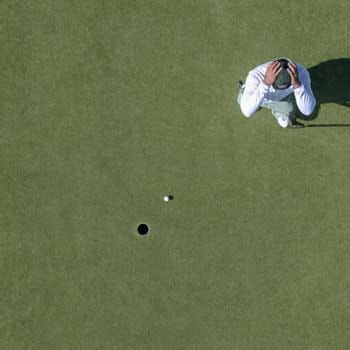
Ever since the USGA and R&A changed the rules in 2019 to allow putting with the flagstick in the hole, it has become one of the biggest debates on the course.
You see it every weekend. One player demands it out, another insists it stay in, and suddenly everyone is doing an awkward dance around the cup.
Is the flagstick a helpful backstop that keeps your ball from rolling past, or does it actually shrink the hole and reject good putts?
The truth is, there isn’t one perfect answer for every single putt. It comes down to a mix of science, strategy, and mostly, your own personal vibe over the ball.
Here is a simple guide to help you decide when to keep it in, when to pull it out, and how to improve your putting game regardless of what you choose.

The Science vs. The “Vibe”

There have been many studies done since the rule changed. The general consensus from data experts is that, statistically, leaving the flagstick IN is a slight advantage for most amateur golfers.
Why? Because we tend to hit putts too hard. The fiberglass stick acts as an energy absorber. If you hammer a putt that would normally race four feet past the hole, hitting the pin deadens the speed, giving gravity a chance to drop the ball in.
However, golf isn’t played in a physics lab. It’s played between your ears.
Personal Preference rules all. If looking at the flagstick makes the hole feel cluttered or smaller to you, take it out. If the flagstick gives you a clear target to aim at and makes you feel safer, leave it in. Confidence will always outweigh a minor statistical advantage.
The Strategic “Rule of Thumb”
You don’t want to overthink things while you are trying to read a break. To keep it simple, use these general guidelines during your round:
- Long Putts (Lag Putting): LEAVE IT IN. From 20 feet and out, your main goal is distance control. The pin helps with depth perception and acts as a safety net if you misjudge the speed.
- Downhill Sliders: LEAVE IT IN. These are the scariest putts in golf. If the ball gets away from you on a fast downhill slope, hitting the pin might be the only thing that stops it from rolling off the green.
- Short Putts (Inside 6 Feet): TAKE IT OUT. On short putts, you should be confident you are hitting the center of the cup. At this range, the pin can create visual distraction.
- Windy Days: TAKE IT OUT. Nothing is more distracting than a flagstick rattling around in the cup or a shadow vibrating over the hole.
- Leaning Pins: TAKE IT OUT. If the cup isn’t cut perfectly straight and the flagstick is leaning toward you or sideways, it is physically blocking the entrance.
Beyond the Flagstick: Improving Your Game
Whether the pin is in or out won’t matter if your fundamentals are off. Here are a few ways to sharpen your putting game.
1. The Importance of Distance Control

The debate over the flagstick mostly centers on speed. If you have perfect “die speed” (where the ball barely falls over the front edge), the flagstick doesn’t matter.
To practice this, try the Ladder Drill on a practice green.
- Place tees at 10, 20, 30, and 40 feet from a hole.
- Hit three putts from 10 feet. Your goal is to get the ball past the hole, but no more than two feet past.
- If you succeed with all three, move back to 20 feet. If you fail, start over. This trains your brain to feel the right speed.
It helps to have a great indoor setup for daily practice. We recommend checking out high-quality putting mats like this one to keep your stroke grooved at home.
This post contains affiliate links. If you use these links to buy something, I may earn a commission at no extra cost to you. Thanks for your support!
2. Choosing the Right Putter
Is your putter helping or hurting your alignment? If you struggle with short putts, a mallet-style putter with a larger head offers more stability and better alignment aids than a traditional blade putter. Ensure your grip is comfortable and allows your shoulders to rock without your wrists flickering.
3. Etiquette and Pace of Play

The “flagstick dance” can slow down a round. Good etiquette means good communication.
When you arrive on the green, the person closest to the hole should ask the group: “Does anyone want this out?”
If you are the only person who wants it out, it is your job to pull it and put it back when you are done. If you are putting from long range and want it left in, tell the group early so nobody tends the flag unnecessarily. Keep the game moving!
Summary
For the average golfer, leaving the flagstick in is usually the safer statistical play because it saves you from hitting putts too far past the hole. But ultimately, do whatever makes you feel the most confident over the ball.
Take Your Game to the Next Level
The flagstick is just one small piece of the scoring puzzle. Are you tired of guessing which drills will actually help your specific weaknesses?
Request your Personalized Golf Course Intel Fairway Fundamentals Strategy Guide today.
We will help you identify the exact drills and stretches you need, recommend the perfect golf ball and clubs geared toward your swing speed, and provide a framework for better course management. Stop guessing and start lowering your handicap.






0 Comments