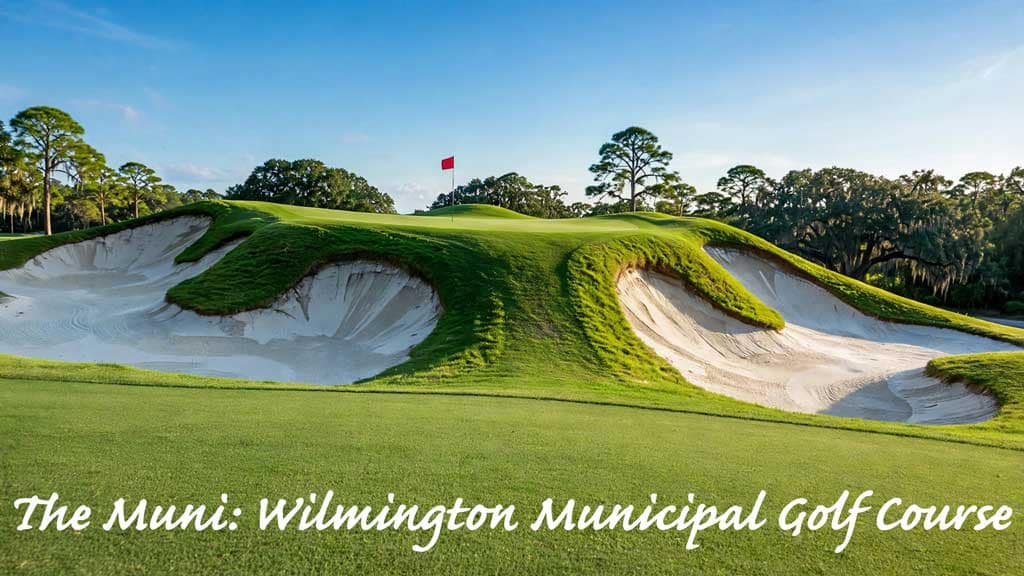
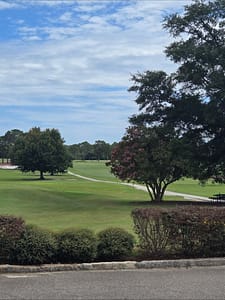
If you are planning a trip to the North Carolina coast, you absolutely need to carve out four hours for one of the most beloved tracks in the state: Wilmington Municipal Golf Course. Known affectionately by locals as “The Muni,” this course proves you don’t need to pay private country club dues to experience world-class golf course architecture.
Whether you are a scratch golfer looking to test your iron play, a mid-handicapper trying to break 85, or a high-handicapper just wanting a fun afternoon in the coastal breeze, we’ve put together the ultimate playbook to help you conquer this historic layout. Thanks to its highly walkable design, the course boasts a high walkability rating, making it a fantastic option for players who love to stroll the fairways.
A Brief History of a Donald Ross Masterpiece
Designed in 1926 by the legendary Scottish architect Donald Ross, Wilmington Municipal was built with a simple, democratic goal: to give the public a championship-caliber 18-hole golf course.
Today, The Muni is a shining example of the American “Munaissance” – a nationwide movement where cities are investing heavily to restore historic public golf courses.
In 2014, acclaimed architect John Fought spearheaded a massive $1.5 million renovation of the property. He masterfully restored the bunkers to their original steep-faced glory, repaired the drainage, and expanded the greens back to Ross’s original specifications.
The result? A public course that hosts upwards of 60,000 rounds a year while maintaining incredible charm, walkability, and challenge.
Proper Tee Selection: Setting Yourself Up for Success
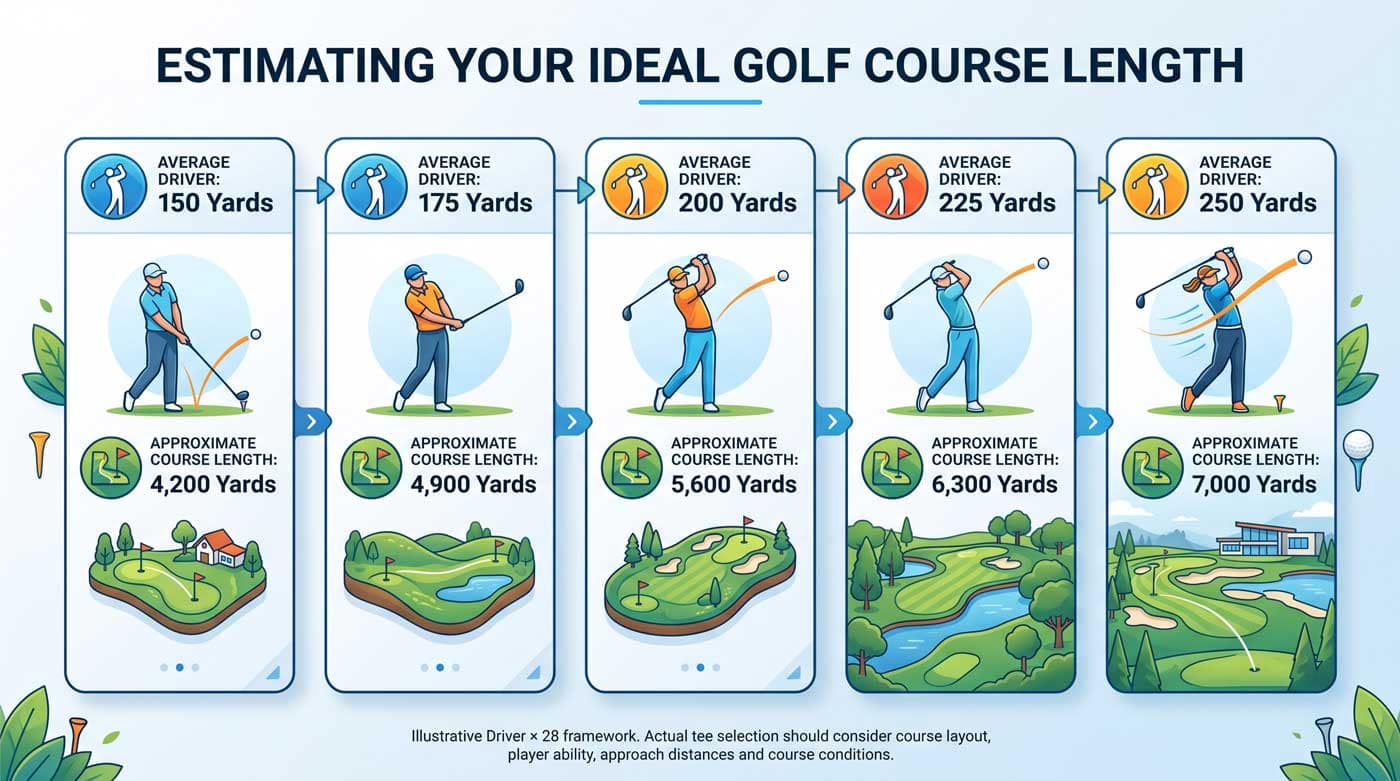
The fastest way to spoil a good walk is by playing from the wrong tee boxes. A great rule of thumb to find your ideal course yardage is to take your average driving distance and multiply it by 28.
Focusing on the Mid-Handicap Golfer: If you are a male mid-handicapper driving the ball around 225 yards, your target course length is roughly 6,300 yards. The White Tees at Wilmington Municipal measure 6,344 yards, making them the absolute perfect fit. From here, you’ll have manageable approach shots without constantly feeling forced to hit perfectly struck long irons.
For a female mid-handicapper driving the ball about 170 yards, target a course length of roughly 4,760 yards. The Red Tees (4,723 yards) are exactly where you want to be!
- Low-Handicappers: Play the Blues (6,796 yards) or White/Golds for women (5,893 yards).
- High-Handicappers: Play the Golds (5,600 yards) or the Reds for women (4,723 yards).
General Strategies: Beating the “Turtlebacks”
Before we dive into specific holes, you have to understand the signature feature of Wilmington Municipal: the greens. Donald Ross was famous for designing “crowned” or “turtleback” greens. The highest point of the green is in the center, and the edges slope aggressively downward to repel golf balls.
The Golden Rule: Always aim for the center of the green! If you try to chase a flag tucked near the edge, a slight miss will send your ball rolling down a steep embankment into a deep bunker or a tight bermudagrass collection area. If you are off the green, leave your lob wedge in the bag. The smartest play is an 8-iron bump-and-run to roll the ball up the hill and onto the putting surface.
Hole-by-Hole Highlights: A Masterclass in Course Management
To truly score well at The Muni, course management is everything. Here is a breakdown of how different handicaps should approach the most pivotal holes on the course.
Hole 1 – Par 4
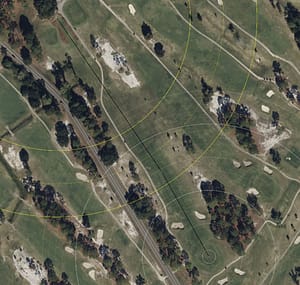
The Hole: This demanding opening hole features a flat fairway with out-of-bounds tightly guarding the right side. The approach is visually deceptive, with two prominent cross-bunkers situated 70 yards short of a severely crowned, elevated green pad.
- Low-Handicap: Hit a controlled fade off the tee to avoid the out-of-bounds fence on the right.
- Mid-Handicap: Notice those two bunkers sitting well short of the green? That is a classic Donald Ross optical illusion meant to mess with your depth perception. Trust your GPS, ignore your eyes, and take one extra club on your approach so you don’t come up short into the false front.
- High-Handicap: Play a fairway wood off the tee to ensure you stay in bounds, then intentionally lay up short of the cross-bunkers. Pitch on for a stress-free bogey.
Hole 3 – Par 4
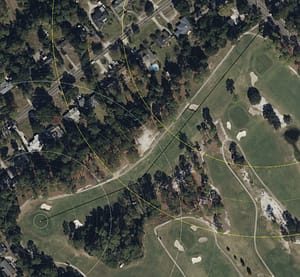
The Hole: Ranked as the hardest hole on the course, this par 4 features a downhill tee shot into a low-lying valley. The approach plays steeply uphill over a swampy hazard area to an extremely difficult plateau green with severe fall-offs on every side.
- Low-Handicap: Hit the fairway at all costs. The green is an elevated plateau surrounded by severe fall-offs. The geometric center of the green is your only viable target.
- Mid-Handicap: About 150 yards from the green is a low-lying valley that acts as a catch basin and can get a bit swampy due to recent drainage work. Course management is key here: lay up short of the valley with a hybrid, then wedge your third shot up the steep hill onto the green. Trying to carry the hazard from a bad lie will ruin your scorecard.
- High-Handicap: Accept that this is a three-shot hole. Hit your driver, lay up with an iron, and pitch onto the green. A two-putt double-bogey here is nothing to be ashamed of.
Hole 9 – Par 5
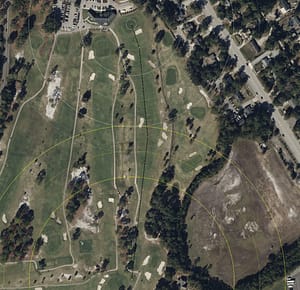
The Hole: A sprawling, rolling par 5 leading to a massive 6,200 sq. ft. multi-tiered green. The right side is bordered by a safety net separating the hole from the First Tee facility, while cross-bunkers complicate the lay-up zone 75 yards from the putting surface.
- Low-Handicap: Blast a drive down the right-center. If you go for this massive green in two, you’ll need a high-flying fairway wood to hold the multi-tiered putting surface.
- Mid-Handicap: Don’t panic if you hit the safety net on the right – local rules give you a club-length of free relief if your ball rests against it. Lay up short of the 75-yard cross bunkers to give yourself a full, spinning wedge into the green.
- High-Handicap: Keep the ball up the right side the whole way. Advance it with a 5-wood, then a 7-iron, and easily pitch on to avoid the hazards entirely.
Hole 16 – Par 3
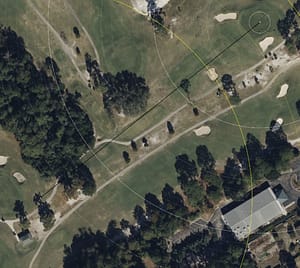
The Hole: An architectural anomaly from the hickory shaft era, this massive, downhill par 3 stretches to 268 yards from the back tees. It features a huge, firm green designed to catch long, running shots that bounce through the shallow sand traps positioned 15 yards short.
- Low-Handicap: Don’t try to carry it all the way to the pin. Hit a driving iron or 3-wood, land it 30 yards short, and let it run up onto the massive 6,800 sq. ft. green.
- Mid-Handicap: At 200 yards from the Whites, treat this like a short par 4. Hitting a smooth driver or 3-wood and letting it bounce onto the surface is exactly how this hole was designed to be played.
- High-Handicap: Just hit your driver straight. The green is incredibly receptive to running shots, so focus on forward momentum rather than high trajectory.
Hole 18 – Par 4
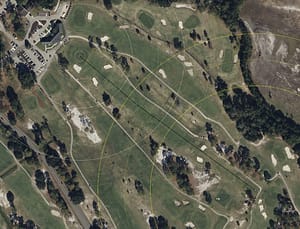
The Hole: A formidable closing hole playing slightly uphill directly beneath the clubhouse gallery. Sprawling native waste areas border the right fairway, while three deep bunkers capture any mishits around the large, elevated green.
- Low-Handicap: A powerful drive down the left-center optimally avoids the sprawling native waste areas on the right. Take an extra club to clear the deep front bunkers and the false front.
- Mid-Handicap: Focus on a smooth tempo. The fairway is generous if you ignore the imposing clubhouse gallery watching you finish! Aim for the back-center of the green to entirely neutralize the false front and the deep bunkers.
- High-Handicap: Keep the drive securely in play. Advance the ball definitively short of the bunkers with a wood, then pitch up to the center of the green, making sure to hit firmly enough to climb the elevated pad.
Conclusion and Projected Scores
Wilmington Municipal is a brilliant test of golf that requires patience, discipline, and a great lag putting stroke. The coastal winds will test your ball flight, and the crowned greens will test your nerves.
If you stick to the center of the greens, avoid the deep traps, and play the correct tees, here is what you can expect to shoot based on average penalties and course handicaps for a Par 71 layout:
- Low-Handicap: 75 to 78
- Mid-Handicap: 85 to 86
- High-Handicap: 93 to 98
Download the Full 27-Page Course Strategy Guide!

Want to dive even deeper into Donald Ross’s architectural masterpiece?
We are thrilled to announce that our full, comprehensive 27-page Wilmington Municipal Golf Course Strategy Guide is now available for download! This extensive guide breaks down every single shot, hazard, and green complex on the property to help you shoot your lowest round yet.
You can grab the complete guide over at Buy Me A Coffee.
We are offering this on a “pay what you think is fair” basis, so pick up your copy today, support our content, and dial in your course management!
At checkout, enter the code SPOOKY for 20% off, valid through Halloween 2026!





%20Muni%20Golf%20Course%20Strategy)
0 Comments